
If I ever told my mom, “I’m bored," she'd reply: "Go outside and play."
But at that time, I lived in a rural, relatively safe environment. Fast forward to today, I live in a downtown area bustling with unsettling activity, so I can't quite copy my mom. I can, however, say, "Let's go outside and play together,' but to be honest, I'm often too exhausted myself (sometimes mentally, sometimes physically, often both!)...and I usually revert to screen time.
I suspect many parents feel like me, that my child's boredom is a problem to solve—something to fix quickly with a show, a device, or a scheduled activity. But what if boredom isn’t the problem at all?
What if it’s actually the beginning of something better?
As we move into spring—with longer days, warmer weather, and that subtle shift in energy—there’s a unique opportunity to rethink what boredom really means for our kids… and how outdoor, unstructured play for kids can transform it.
Boredom Isn’t a Failure—It’s a Signal
Kids today are used to constant stimulation. Screens, structured activities, and packed schedules leave very little room for stillness.
So when boredom shows up, it can feel uncomfortable—for them and for us.
But research suggests that boredom plays an important role in child development. It creates space for imagination, creativity, and self-directed play—skills that are essential for long-term well-being (Eastwood et al., 2012).
It’s the pause where imagination has space to grow.
It’s where curiosity starts to lead.
It’s where kids begin to ask, “What can I do?” instead of waiting to be told.
The challenge? That transition doesn’t happen instantly—and screens often interrupt it before it has a chance to unfold.
Why the Outdoors Changes Everything
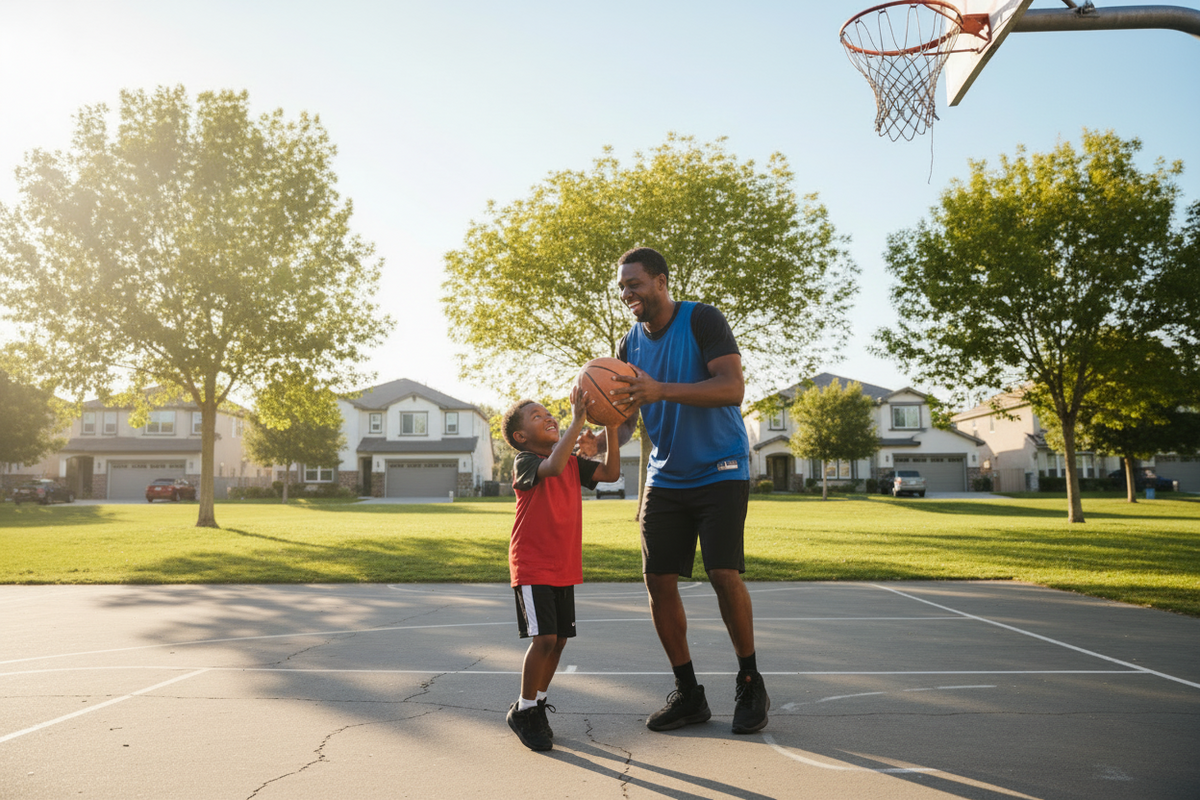
Outdoor environments naturally invite kids to move, explore, and engage in ways that screens simply can’t replicate.
There’s no script. No algorithm. No “next episode.”
Research consistently shows that time in nature improves children’s attention, mood, and cognitive functioning. A review published in Frontiers in Psychology found that exposure to natural environments is associated with better attention restoration and reduced mental fatigue in children (Kuo, 2015).
Outdoors, boredom doesn’t disappear—it evolves...turning into exploration, problem-solving, independent play, and connection to nature, and to each other.
Sometimes outdoor time helps both me and my daughter disconnect from devices and reconnect with each other. But sometimes, it's a chance for her to explore without mom looking over her shoulder and a chance for me to simply sit on a bench, enjoying the sun on my shoulders or the soothing sounds of birdsong.
Spring Is the Perfect Reset for Outdoor Play
There’s something about this time of year that makes it easier to begin again.
The days are longer. The weather is more forgiving. Everything feels just a little more alive.
After months of shorter days and more indoor time, kids are ready to move—but they may need a gentle nudge to get started.
Spending more time outside isn’t just enjoyable—it’s beneficial. Studies show that children who engage in regular outdoor play have higher levels of physical activity, better sleep, and improved emotional well-being (Tremblay et al., 2015).
That’s where simple, low-pressure outdoor plans can make all the difference.
Not big trips; not complicated logistics; just small, doable adventures close to home.
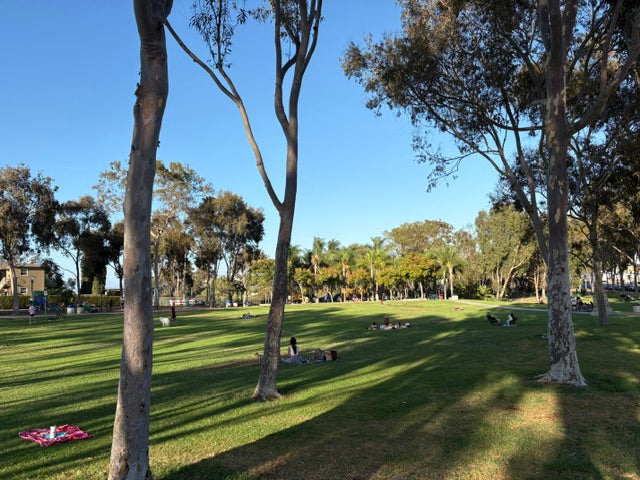
A new park to explore.
A playground visit before dinner.
A new path to ride bikes or scooters.
These moments don’t have to be elaborate to be meaningful.

The Secret: Make It Easy to Say Yes
One of the biggest barriers to getting outside isn’t motivation—it’s decision fatigue.
Where should we go?
Will the kids like it?
How much time do we have?
When the default becomes “it’s too much to figure out,” screens often win by default.
But when outdoor time feels easy—when the decision is already made—it becomes something families actually follow through on. The GO Deck city decks make it easy to choose a convenient location, suited to the families interests and abilities.
And once you’re outside, everything else tends to fall into place.
A Simple Way to Spark Outdoor Play (A Perfect Easter Basket Idea)
As you think about spring traditions and upcoming holidays, it’s worth asking:
What are we giving our kids more of?
More stuff… or more experiences?
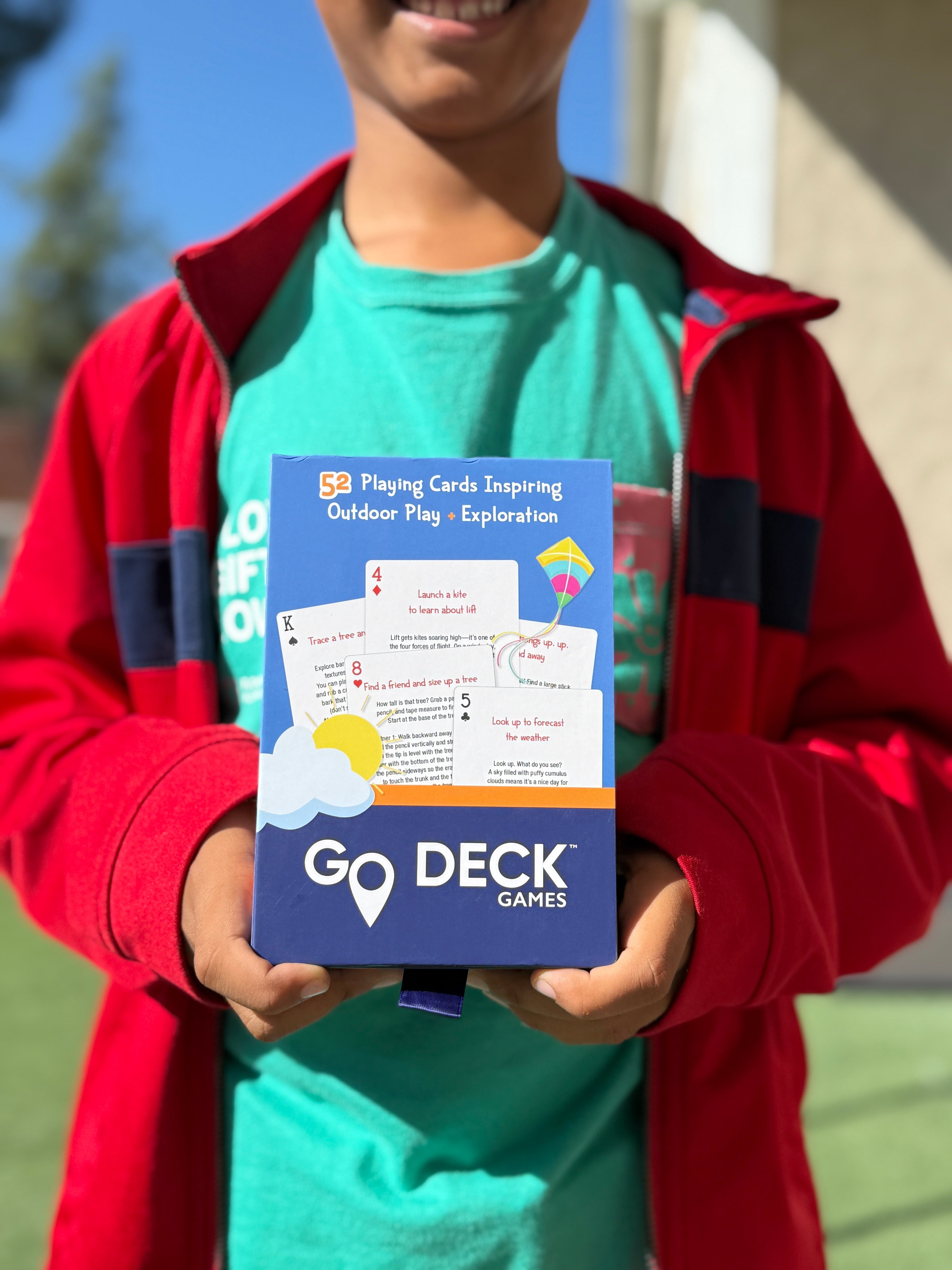
For families looking for unique Easter basket ideas for kids, our Games collection offers a meaningful alternative—especially for families with elementary-aged children.
Instead of something that gets used once and forgotten, The GO Deck Games invite families to turn anytime into family fun time...even when you're on the go!
Each activity on our playing cards offers a new idea for outdoor activities—complete with science tidbits—to spark outdoor play and curiosity.
It turns “What should we do today?” into something simple, visual, and even a little exciting.
And our Games to Play on the GO product transforms travel time or other moments of boredom into opportunities for families to connect over a game or two.

Let Boredom Lead Somewhere Better
Boredom isn’t something to eliminate.
It’s something to redirect.
And often, the best place to send it… is outside.
This spring, as the days stretch longer and the air gets warmer, there’s an opportunity to shift the rhythm—just a little.
To trade a bit of screen time for fresh air, let kids take the lead, and rediscover what’s right outside your door.
Because sometimes, the best screen-free activities for kids don’t start with a plan.
They start with, “I’m bored.”
References
- Eastwood, J. D., Frischen, A., Fenske, M. J., & Smilek, D. (2012). The unengaged mind: Defining boredom in terms of attention. Perspectives on Psychological Science, 7(5), 482–495.
- Kuo, M. (2015). How might contact with nature promote human health? Frontiers in Psychology, 6, 1093.
- Tremblay, M. S., Gray, C., Babcock, S., et al. (2015). Position statement on active outdoor play. International Journal of Environmental Research and Public Health, 12(6), 6475–6505.
Share:
San Diego Strolls: The Bay To Park Paseo Tour
San Diego Strolls: Historical, Pleasant & Pragmatic Spanish Landing Park